Bilim — Mühendislik
Mimari sessizliğin fiziği.
Ses, bir basınç dalgasıdır. Mimari ise onu ya açmaya bırakan ya da sessizce emen bir kaptır. İşimiz, bu iki disiplinin buluştuğu yerde başlar.
01 — Ses Yalıtımı
Sesin geçişini engellemek.
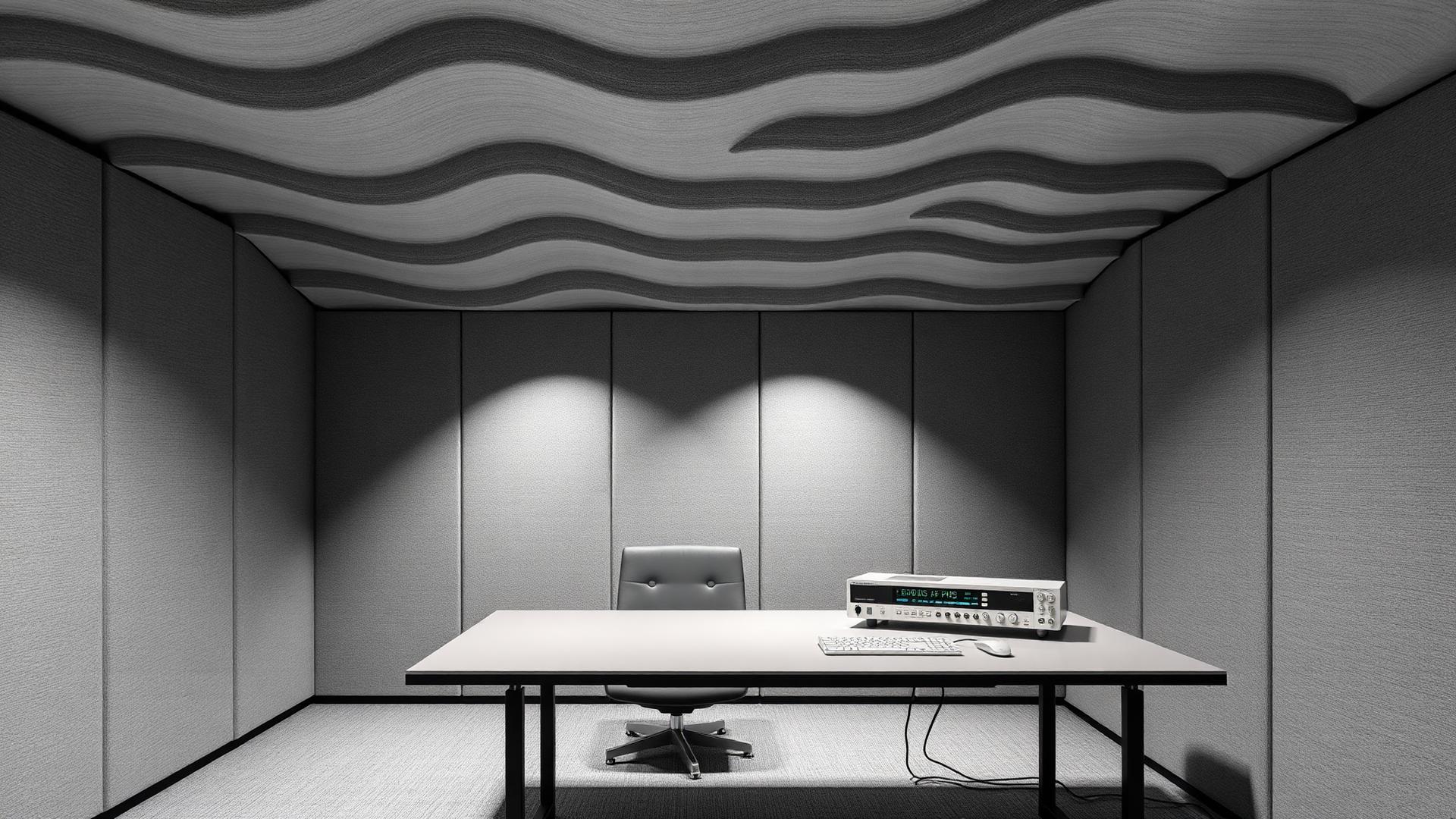
Yalıtım (Rw, dB cinsinden), iki oda arasında bir bölmenin ne kadar enerji durdurduğunu ölçer. Kütle, ayrıştırma ve sönümlemeye bağlıdır — sönük hava boşluklarıyla ayrılmış ağır katmanlar en iyi performansı verir. SOUEND yalıtım sistemleri yüksek yoğunluklu köpük membranları esnek montajla birleştirerek, duvarı kalınlaştırmadan Rw > 55 dB değerine ulaşır.
- RwAğırlıklı ses azaltma indeksi (ISO 717-1)
- Kütle yasasıKütlenin iki katına çıkması ~6 dB yalıtım ekler
- AyrıştırmaHava boşluğu + esnek profiller ses köprüsünü kırar
- SönümlemeViskoelastik katmanlar titreşimi ısıya çevirir
02 — Ses Emilimi
Sesin geri dönmesini engellemek.
Emilim (α, NRC), bir yüzeyin sesi odaya geri yansıtmak yerine ne kadar enerjiyi dağıttığını ölçer. Açık hücreli köpük, akustik basıncı gözenekleri içinde mikroskobik sürtünmeye dönüştürür. Değişken yoğunluk bu sürtünmeyi spektrum boyunca kalibre eder — 125 Hz'deki derin bastan 8 kHz'deki havaya kadar.
- αFrekansa göre emilim katsayısı (ISO 354)
- NRC250 Hz – 2 kHz arası ortalama
- Hava akışıİlgilenilen banda göre kalibre edilmiş direnç
- RT60Sesin 60 dB azalması için geçen süre
Frekans haritası
Her oktavda farklı bir problem.
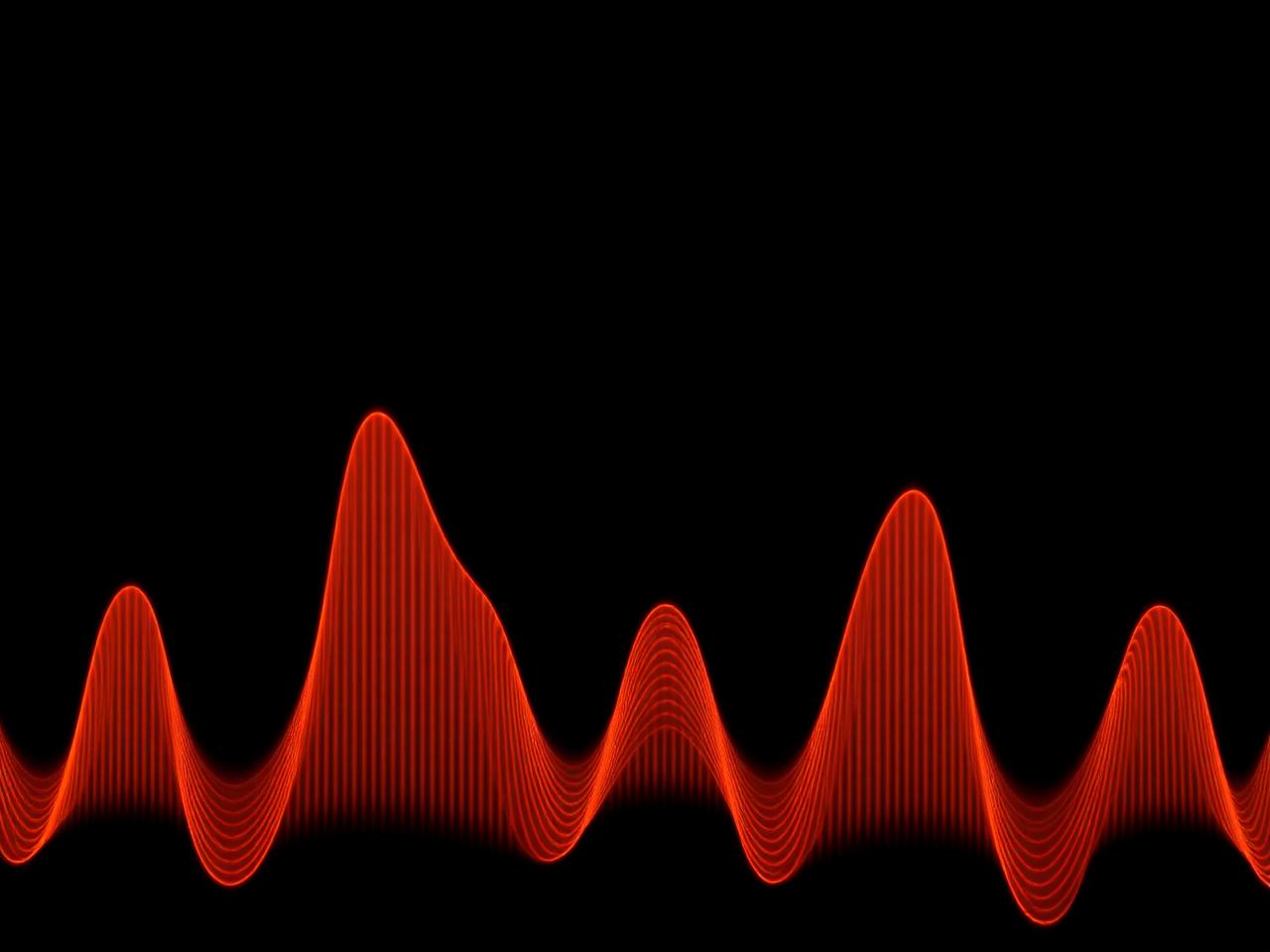
İnsan işitmesi yaklaşık 20 Hz – 20 kHz aralığını kapsar, ancak mimari akustik 125 Hz – 8 kHz bandına odaklanır. Her oktav farklı davranır ve farklı bir malzeme stratejisi gerektirir.
125 Hz
Düşük — bas uğultu, HVAC, trafik
Kütle + panel arkası hava boşluğu
250 Hz
Düşük-orta — erkek sesi temel frekansları
Değişken yoğunluklu köpük çekirdek
500 Hz
Konuşma anlaşılırlığı bölgesi
Kalibre edilmiş hava akış direnci
1 kHz
Berraklık için kritik bant
Açık hücreli yüzey emilimi
2 kHz
Ünsüz artikülasyonu
Katmanlı melamin mikro gözenekler
4 kHz
Parlaklık, ıslıklı sesler
İnce gözenekli polyester kaplama
8 kHz
Hava, ortam
Yumuşak kumaş sargı difüzyonu
Fizik — CELLOFOAM Malzemeleri
Tek bir yasa, birçok malzeme.
Bir ses dalgasının dalga boyu λ, ses hızının c frekansa f bölünmesine eşittir (λ = c / f). 100 Hz'de bir dalga üç metreden uzundur; 4 kHz'de ise yalnızca sekiz santimetredir. Tek bir malzeme ikisini birden ememez — verimli emilim, yaklaşık λ/4 kadar gözenekli derinlik ister. CELLOFOAM bu denkleme, her biri spektrumun belirli bir bölümü için mühendislik edilmiş bir köpük ailesiyle yanıt verir.
- λ = c / fFrekans yükseldikçe dalga boyu küçülür
- λ/4 kuralıİdeal gözenekli emici derinliği
- HelmholtzRezonans boşlukları dar düşük bantları hedefler
- MembranBas frekanslara göre kalibre edilmiş esnek kütle
Melamine BASF Basotect®
500 Hz – 8 kHz
Açık hücreli, mikro gözenekli emici
Çok hafif, A sınıfı yangın derecelendirmeli, çok düşük hava akış dirençli köpük. Orta ve yüksek frekansları, üç boyutlu melamin matrisi içindeki viskoz sürtünmeyle dağıtır.
Polyester PET Fibre
250 Hz – 4 kHz
Preslenmiş elyaf emici
%60'a kadar geri dönüştürülmüş PET, değişken yoğunluklu plakalara preslenir. Ofislerde geniş bantta konuşma ve berraklık için kalibre edilmiş hava akış direnci.
Polyurethane Composite
125 Hz – 1 kHz
Değişken yoğunluklu katmanlı emici
Konuşma temel frekanslarının ve HVAC uğultularının olduğu düşük-orta banda emilimi taşımak için kademeli yoğunluğa sahip katmanlı PU çekirdekler.
Heavy-Mass Membrane
63 Hz – 250 Hz
Kalibre membran / kütle-yay
Kapalı bir hava boşluğunun üzerinde sönük kütle katmanı. Gözenekli köpüklerin saydamlaştığı bas enerjiyi emen, kalibre edilmiş bir rezonatör gibi davranır.
Perforated Panel + Foam
100 Hz – 500 Hz
Helmholtz rezonatör dizisi
Köpük dolgulu boşluk üzerinde, kalibre edilmiş delikli ahşap veya metal yüzey. Hacimli bass tuzaklarına gerek kalmadan belirli düşük frekans oda modlarını hedefler.
Felt Composite
500 Hz – 4 kHz
Yüzey emici + difüzör
Emilimi yüksek frekans saçılımıyla birleştiren yumuşak elyaf keçe yüzeyler — sistemin mimari derisi.
Partner — CELLOFOAM
Altmış yıllık Alman akustik mühendisliği.
SOUEND akustik sistemlerinin çekirdeğindeki köpük teknolojileri, Almanya Biberach merkezli CELLOFOAM tarafından üretilir — 1959'dan bu yana otomotiv, mimari ve endüstriyel ses kontrolünde referans kabul edilen bir mühendislik firması.
1959
Kuruluş
Biberach an der Riss, Almanya'da köpük işleme atölyesi olarak kurulur.
1970s
Otomotiv dönemi
Alman otomotiv endüstrisine özel akustik yalıtım çözümleri geliştirir.
1990s
Mimari akustik
Yapı içi ses kontrolü için Basotect® bazlı panel sistemleri serisi.
2000s
Global ölçek
Avrupa, Kuzey Amerika ve Asya'da üretim tesisleri; OEM tedarikçi statüsü.
2010s
Sürdürülebilirlik
Geri dönüştürülmüş PET fiber ve düşük emisyonlu üretim hatları.
Bugün
60+ yıl tecrübe
500'den fazla çalışan, 6 üretim tesisi, 40+ ülkeye ihracat.
Referanslar
Dünyanın en zorlu üreticileri için ses kontrolü.
CELLOFOAM köpükleri; titreşim, motor sesi ve kabin akustiği açısından en yüksek standartların uygulandığı otomotiv ve ağır ticari araç üreticilerinin OEM tedarik zincirinde yer alır. Aynı malzeme bilimi, bugün SOUEND'in mimari akustik panellerinin temelini oluşturur.
- Mercedes-Benz
- MAN Truck & Bus
- BMW Group
- Audi
- Volkswagen
- Porsche
- Daimler Truck
- Scania
- Bosch
Mühendislik akışı
Ölçülmüş odadan tasarlanmış sessizliğe.
01
Ölç
Yerinde RT60 ve gürültü tabanı ölçümü, oda geometrisi etüdü.
02
Modelle
Hedef çınlama eğrisine karşı ışın izleme simülasyonu.
03
Şartname
Oktav bandı başına malzeme, kalınlık ve kaplama oranının kalibrasyonu.
04
Doğrula
Montaj sonrası ölçüm — ISO 354 laboratuvar verileriyle karşılaştırma.
Bize bir oda getirin. Size sayıları getirelim.
Akustik çalışma talep edin →